Introduction
Egg fried rice is one of the most beloved comfort foods across Asia and beyond. With its simple ingredients and quick preparation, it’s a versatile dish that can serve as a main course, side, or even a satisfying midnight snack. Whether you’re using leftover rice or preparing it fresh, mastering the art of egg fried rice is a valuable skill in any home cook’s repertoire. In this article, you’ll learn the steps, tips, and variations to make a delicious, restaurant-style egg fried rice right in your own kitchen.
What is Egg Fried Rice?
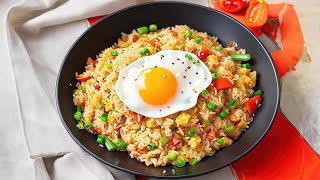
Egg fried rice is a traditional Chinese dish where cooked rice is stir-fried with scrambled eggs and vegetables, often seasoned with soy sauce, garlic, and scallions. While its roots lie in Chinese cuisine, it has been embraced globally and adapted to suit many regional flavors.
The beauty of this dish lies in its simplicity—it uses staple pantry items, comes together in minutes, and is endlessly customizable.
Ingredients You’ll Need
Here’s a basic list of ingredients to make 4 servings of classic egg fried rice:
- 2 cups cooked white rice (preferably cold and a day old)
- 2 tablespoons vegetable oil (or sesame oil for added flavor)
- 3 large eggs
- 1 cup mixed vegetables (peas, carrots, corn, bell peppers—fresh or frozen)
- 3 green onions (scallions), chopped
- 2–3 tablespoons soy sauce
- 1 teaspoon garlic, minced
- 1/2 teaspoon white pepper or black pepper
- Salt to taste
Optional:
- 1 teaspoon oyster sauce for umami depth
- Chili flakes or hot sauce for spice
- Protein like cooked chicken, shrimp, or tofu
Step-by-Step Guide to Making Egg Fried Rice
1. Use the Right Rice
The first secret to great fried rice is using leftover rice. Freshly cooked rice is moist and soft, which can result in a soggy stir-fry. Cold, day-old rice firms up and separates easily, giving fried rice that desirable chewy texture.
If you don’t have leftover rice, spread freshly cooked rice on a tray and refrigerate for at least 30 minutes to dry it out slightly.
2. Prep All Ingredients Before Cooking
Stir-frying happens quickly at high heat, so have all your ingredients chopped and ready to go. Dice vegetables evenly, beat the eggs in a small bowl, and portion out your sauces in advance.
3. Heat the Pan Properly
Use a large wok or skillet and heat it over medium-high to high heat. Add a tablespoon of oil and swirl it around to coat the surface.
4. Cook the Eggs First
Pour the beaten eggs into the hot pan. Let them set for a few seconds, then scramble them gently. Once just cooked, remove them from the pan and set aside. This keeps the eggs fluffy and prevents them from overcooking later.
5. Stir-Fry the Vegetables
Add a little more oil if needed, then sauté the garlic for about 30 seconds. Add the mixed vegetables and stir-fry for 2–3 minutes until slightly tender but still crisp. If you’re using frozen vegetables, make sure they’re thawed and drained.
6. Add the Rice
Add the cold rice to the pan. Break up any clumps with a spatula and stir everything to combine. Cook for 3–5 minutes, pressing the rice gently into the pan to get some crispy bits.
7. Season It
Drizzle soy sauce evenly over the rice. Add pepper and a pinch of salt. Stir well so every grain of rice is coated in flavor. You can also add oyster sauce or a splash of sesame oil at this stage.
8. Bring Back the Eggs
Return the scrambled eggs to the pan. Stir to mix them into the rice. They should be in bite-sized pieces, evenly distributed throughout.
9. Add Green Onions and Finish
Finally, stir in chopped green onions. Cook for another 30 seconds, taste, and adjust seasoning if necessary. Remove from heat and serve hot.
Tips for Perfect Egg Fried Rice
- Use Cold, Dry Rice: This prevents clumping and sogginess.
- High Heat is Key: It gives that signature smoky flavor known as “wok hei.”
- Cook Eggs Separately: Keeps them soft and fluffy instead of rubbery.
- Don’t Overload the Pan: Too many ingredients can cool down the wok and lead to steaming rather than frying.
- Customize to Your Taste: Add soy sauce gradually—too much can make it salty and soggy.
Variations to Try
Egg fried rice is a blank canvas. Here are some delicious variations:
- Chicken Egg Fried Rice: Add cooked, shredded chicken for a protein boost.
- Shrimp Fried Rice: Use peeled, deveined shrimp; stir-fry separately and add at the end.
- Kimchi Fried Rice: Stir in chopped kimchi and a spoonful of its juice for a tangy, spicy kick.
- Thai Style: Add fish sauce, a squeeze of lime, and chopped cilantro.
- Vegetarian: Load it up with bell peppers, broccoli, snow peas, and tofu.
Serving Suggestions
Egg fried rice is a satisfying meal on its own but also pairs wonderfully with:
- Sweet and sour chicken
- Stir-fried vegetables
- Spicy Szechuan tofu
- Dumplings or spring rolls
- Miso soup or hot and sour soup
Add a fried egg on top and a drizzle of chili oil for an elevated single-bowl meal.
Storing and Reheating
Leftover egg fried rice can be stored in an airtight container in the refrigerator for up to 3 days.
To reheat:
- Use a skillet over medium heat with a splash of oil or water.
- Stir frequently to prevent burning.
- You can also microwave it, but it may not retain the same texture.
Avoid freezing, as the eggs and vegetables can become mushy.
Conclusion
Egg fried rice is more than just a way to use leftovers—it’s a flavorful, customizable dish that brings together the richness of eggs, the aroma of soy sauce, and the satisfying texture of stir-fried rice. By mastering the simple techniques outlined above, you can recreate restaurant-quality fried rice in your own kitchen, time and time again. Whether you’re cooking for yourself, your family, or guests, this quick and easy dish is always a winner. A simple dish, packed with flavor—egg fried rice is comfort food at its finest.